
Bringing in an external software partner when you already have an in-house engineering team is rarely about filling a gap. It’s about extending capacity without breaking rhythm. Internal teams already have standards, code conventions, release cycles, and opinions about how things should be done. The wrong partner disrupts that balance. The right one strengthens it.
This is where many vendor relationships quietly fail. Not because the external team lacks skill, but because they don’t integrate cleanly. They introduce their own frameworks. They overlook existing documentation. They optimize for their own workflow instead of adapting to the one that’s already working.
Canadian development firms are often recognized for technical depth, but collaboration is what determines whether internal engineering departments see them as partners or obstacles. Below are companies frequently considered when organizations want outside support that blends into existing teams rather than competing with them.
Where Collaboration Usually Breaks
Most collaboration issues don’t explode immediately. They start small. An external team restructures a folder without asking. They introduced a new dependency that wasn’t approved. They change a deployment script because “it works better this way.” Individually, these decisions may be harmless. Collectively, they create friction.
Internal teams notice when outside developers don’t follow existing branching strategies. They notice when code comments are inconsistent. They notice when documentation is missing. These aren’t dramatic failures — they’re signals of misalignment.
Successful partnerships tend to begin with observation. External engineers study the repository before suggesting changes. They attend internal stand-ups to understand context. They review architecture diagrams before proposing improvements. That patience at the beginning often prevents tension later.
Signals Engineers Notice Immediately
Engineering teams are pragmatic. They don’t judge vendors by slide decks. They judge them by pull requests.
Clean commit history. Clear explanations. Sensible naming conventions. Realistic time estimates. Thoughtful responses to feedback. These details matter far more than promotional materials.
External teams that ask about CI/CD pipelines early demonstrate respect. Those who request clarity on logging standards or performance benchmarks show they understand long-term maintenance matters. Internal engineers appreciate vendors who treat documentation as part of engineering, not an afterthought.
Trust builds slowly, but it builds fastest when external contributors act like contributors — not consultants.
1. Euristiq
When organizations look for outside support that won’t disrupt internal workflows, Euristiq’s custom software development in Canada is often part of the discussion.

Founded in 2016, Euristiq collaborates with enterprise and mid-market companies across North America and Europe, including Philips, Bell Canada, Ryanair, Interac, and Gen Digital. Many of these clients maintain their own engineering departments, which means external collaboration must be precise.
Their core capabilities include:
- AI-native product design and development
- Structured discovery phase before implementation
- PoC and MVP delivery with defined milestones
- Legacy system modernization
- Data engineering, analytics, IoT, and AIoT solutions
- Cloud systems across AWS, Azure, and Google Cloud
- Dedicated certified development teams
They hold ISO 27001:2022 certification and operate as an AWS Advanced Tier Services Partner. Internal teams often interpret that as a sign of structured processes and disciplined documentation — two qualities that reduce onboarding friction.
Companies tend to involve Euristiq when projects require architectural clarity from the start. Their early scoping routines help internal engineers align expectations before work accelerates, reducing mid-cycle surprises that slow collaboration.
2. Iversoft
Iversoft, headquartered in Ottawa, frequently works with organizations operating under security-heavy or compliance-driven conditions. In these environments, integration involves more than code — it includes aligning with security protocols and review procedures.
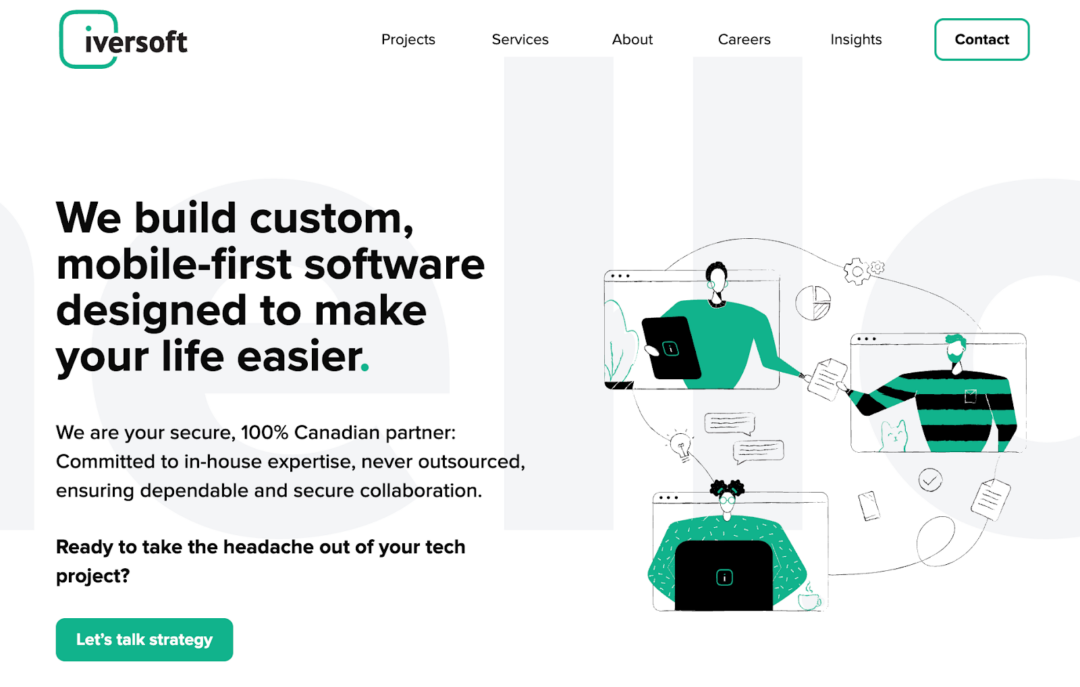
Their capabilities include:
- Secure application development
- Cloud architecture and deployment
- Mobile and web engineering
- Complex system integration
Internal engineering teams working within regulated industries value partners who already understand encryption standards, access control structures, and audit trails. When external developers are familiar with those frameworks, onboarding tends to be smoother and review cycles shorter.
Projects involving government systems or financial infrastructure often prioritize vendors who can integrate without disrupting compliance workflows.
3. Osedea
Montreal-based Osedea is known for its collaborative approach. Their teams tend to work closely with internal stakeholders rather than operating independently.
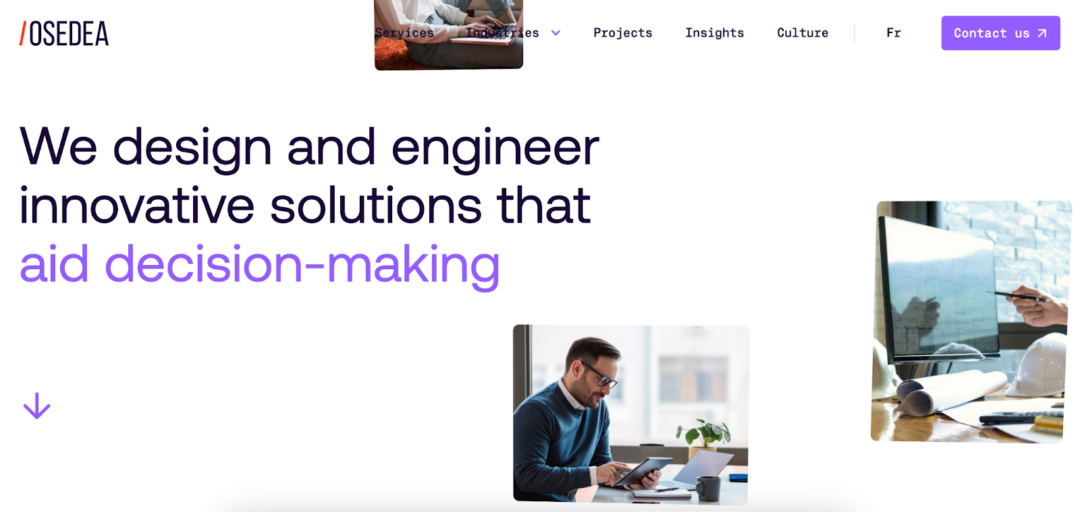
Their services include:
- Custom software development
- AI and machine learning systems
- UX-centered platform design
- Digital consulting
Internal engineering departments often prefer vendors who communicate continuously instead of delivering updates in isolation. Osedea’s iterative interaction model allows internal teams to stay connected to development decisions.
That proximity reduces misunderstandings and keeps technical execution aligned with internal product goals. For organizations that prioritize transparency, this approach often feels natural.
4. Architech
Architech, based in Toronto, is commonly brought in when internal teams want architectural reinforcement rather than additional coding manpower.

Their services include:
- Enterprise platform development
- Cloud-native architecture
- Data platform engineering
- API ecosystem design
Sometimes internal engineers don’t need more developers — they need a structural second opinion. Architects’ emphasis on architecture allows them to evaluate scalability, resilience, and integration risks objectively.
When organizations prepare for growth or major infrastructure shifts, this architectural focus can complement in-house development efforts effectively.
The Quiet Advantage
The firms that integrate most smoothly rarely position themselves as disruptors. They emphasize alignment. They mirror internal communication patterns. They adapt to existing ticketing systems and documentation standards.
Instead of insisting on replacing tools, they learn how those tools are used. Instead of rewriting the architecture immediately, they understand why it evolved the way it did.
That quiet adaptability often creates the strongest partnerships.
Compatibility Over Velocity
Fast output doesn’t always translate into progress. If external developers move quickly but ignore internal standards, their work may require revision. That slows everyone down.
Engineering leaders often prefer steady integration over rapid but isolated delivery. When external teams align with internal frameworks, progress accumulates instead of resetting every sprint.
Sustainable collaboration usually produces better long-term results than short bursts of speed.
Shared Ownership Changes Everything
When external developers behave like temporary contractors, collaboration feels transactional. When they act like long-term contributors, dynamics shift.
Shared ownership shows up in small behaviors. External engineers participate in retrospectives. They flag technical debt openly. They recommend improvements respectfully. They accept feedback without defensiveness.
Internal teams respond positively to partners who treat the codebase as a shared responsibility rather than a deliverable to hand off.
Internal Teams Remember Maintenance, Not Just Launch
Launch days are exciting, but internal teams spend far more time maintaining systems than celebrating releases. External partners who think about post-launch clarity earn lasting credibility.
That includes writing readable tests, structuring APIs logically, and documenting integration points clearly. These practices don’t generate headlines, but they define long-term stability.
Engineering departments tend to remember vendors who made maintenance easier, not those who delivered the fastest demo.
What It Really Comes Down To
Canada’s development landscape offers no shortage of capable firms. For organizations with established engineering teams, the deciding factor isn’t talent alone — it’s compatibility.
The companies listed above often integrate well because they respect existing systems. They reinforce internal capabilities instead of overshadowing them. They listen before they act.
When external developers blend into a team’s rhythm instead of disrupting it, collaboration becomes an advantage rather than a compromise.
And for companies serious about long-term product health, that balance is what makes all the difference.