
Not long ago, building a mixed portfolio meant paying for expert advice or spending years learning the markets.
That barrier is gone.
Today’s tools hand you the controls. They take the old “don’t put all your eggs in one basket” idea and make it work for you. You can find apps that do the investing for you and others that teach you how to do it yourself.
Finelo: The Practice-First Investing Simulator
Finelo.com built its environment for people who find real markets intimidating. This platform focuses on practical skill-building through a simulated trading account. You get a library of content that breaks down portfolio fundamentals and asset allocation. The system creates a personal learning plan that adjusts to your existing knowledge and pace.

The core of the experience is a live simulator. This feature acts as a financial safety net. It lets you test diversification strategies using real-world market data but without any actual cash. Putting a lesson on asset allocation into practice immediately makes the concepts stick far better than just reading about them.
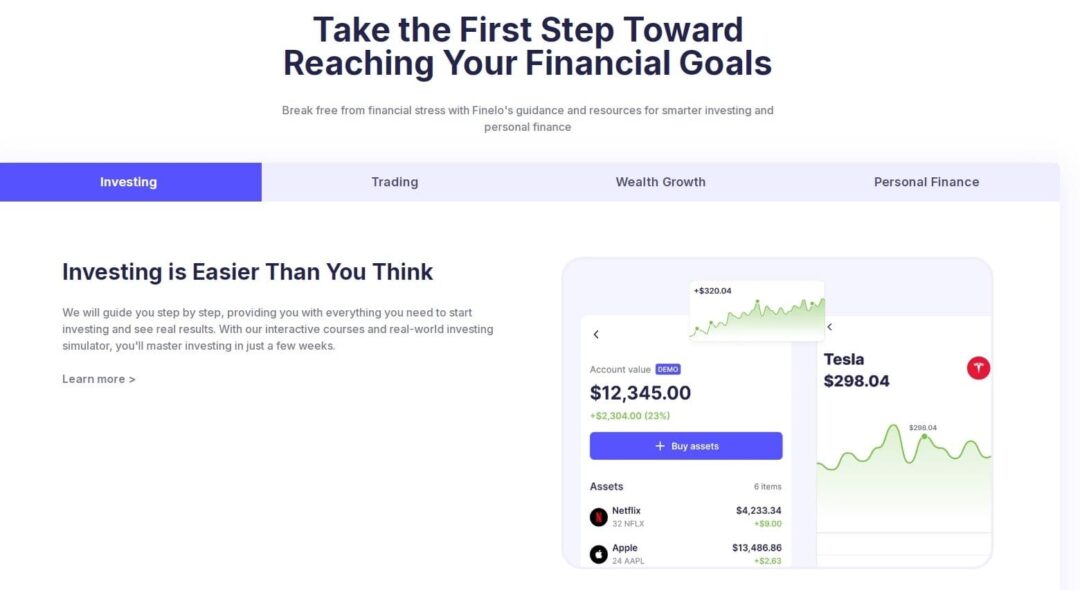
Best for: New investors who feel nervous and need a risk-free space to build foundational confidence before using real money.
Key Differentiator: Its deeply integrated simulator functions like a flight simulator for finance, providing a safe space to practice before live trading.
Betterment: The Automated Portfolio Manager
Betterment works as an automated investing service. It builds and looks after a spread-out portfolio on your behalf. You answer questions about your financial situation and targets, and its algorithms handle the rest. The system builds a portfolio of low-cost ETFs spanning various asset classes like stocks and bonds.
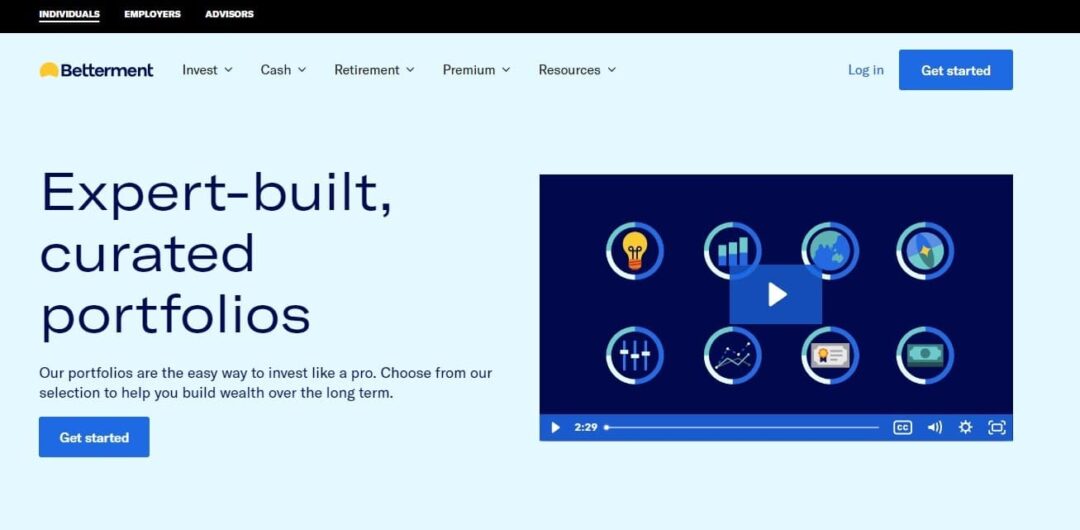
Its biggest plus is how little it asks from you. The system periodically adjusts your holdings to stay on track. It also uses smart methods to manage taxes. You get a consistent, hands-off way to keep your investments spread out.
Best for: People who want their investing to happen automatically, with no daily checking required.
Key Differentiator: It puts your portfolio creation and maintenance on complete autopilot.
Investopedia: The Finance Encyclopedia
Investopedia works like a free, massive dictionary for money topics. Its library explains everything from “diversification” to “ETF.” You can look up a quick meaning or follow a full guide on creating a simple portfolio.
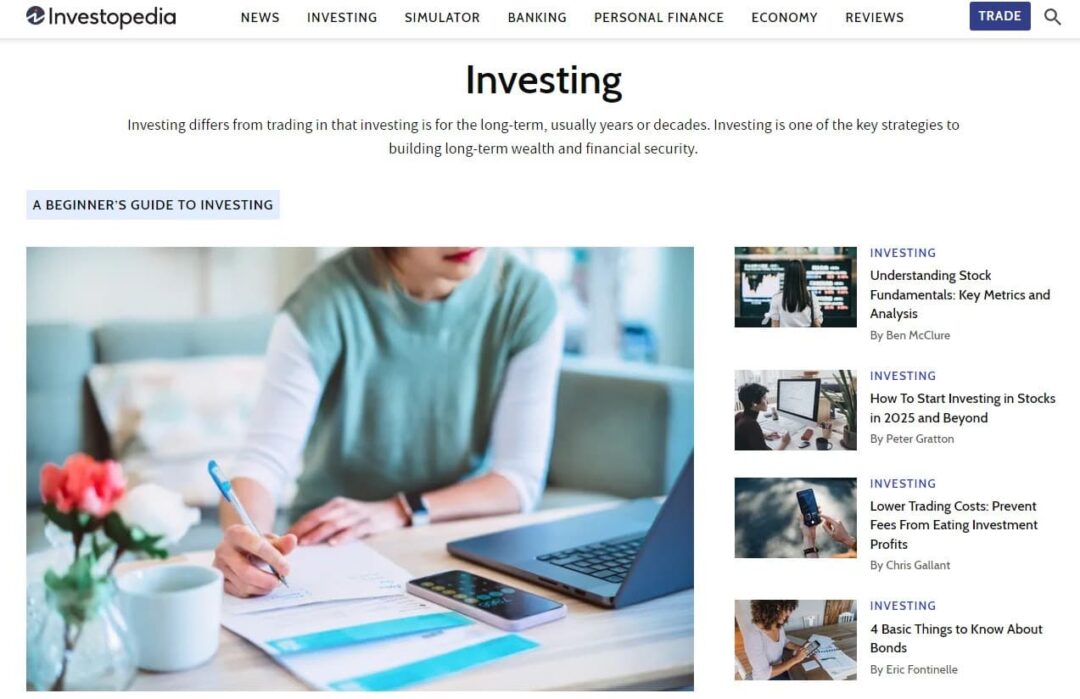
You get clear answers fast. The articles take complicated ideas and make them simple. It is the first place to go when you run into a term you do not know or need to check your facts.
Best for: Someone who needs a fast, trustworthy answer to a money question.
Key Differentiator: It is the go-to source for instant definitions and clear explanations in finance.
Interactive Brokers: The Research Hub
Interactive Brokers offers a full-featured trading system with built-in learning materials about ETFs. This mix provides what you need to study and construct your own varied portfolio. You can examine various ETFs, see what is inside them, check their fees, and place your trades without leaving the platform.
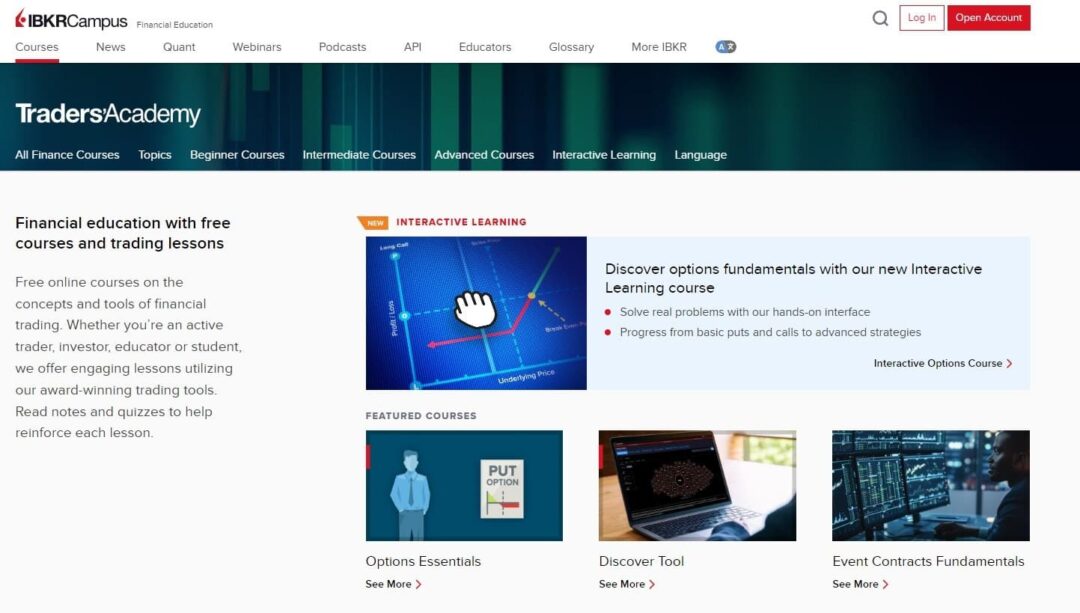
The platform offers deep functionality for those who want control. Its tools help you screen for ETFs by asset class, geography, and sector, allowing for a highly customized diversification strategy. This supports a hands-on method where you make all the allocation decisions.
Best for: Hands-on investors who want strong research features to pick and choose their own ETFs for a mixed portfolio.
Key Differentiator: It merges a serious trading system with learning resources, giving you the power to do your own detailed homework.
Morningstar for In-Depth Fund Analysis
Morningstar operates as a research hub for investors who want to look under the hood of their investments. Its primary function is to provide detailed analysis and ratings for mutual funds and ETFs. The platform’s reports break down a fund’s holdings, its strategy, and the level of risk it carries.
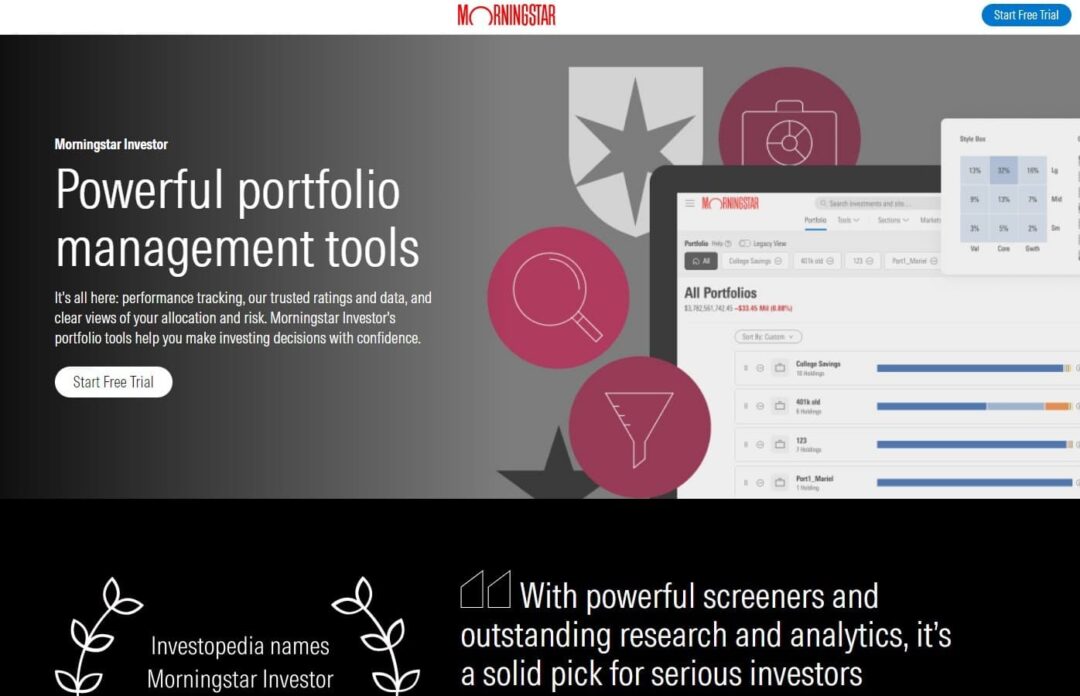
The most useful part for spreading out your risk is the Portfolio detail in a fund’s report. It lists the fund’s exact mix of industries, countries, and company sizes. This lets you see if two ETFs you like are truly different, or if they both hold mostly the same big-name tech stocks.
Best for: Investors who pick their own funds and want to prevent overlap and know exactly what they own.
Key Differentiator: Its detailed data on fund contents and its own rating method, offering an expert’s view on a fund’s plan and worth.
The Vanguard App for Straightforward Investing
The Vanguard app provides direct access to the company known for popularizing low-cost index investing for the general public. The platform allows you to easily purchase Vanguard’s own suite of ETFs and mutual funds, which are themselves building blocks for diversification.

Its strength is simplicity and focus on long-term fundamentals. You can quickly build a complete portfolio using just a few Vanguard funds, such as a total U.S. stock market fund, a total international stock fund, and a total bond market fund. This creates instant, broad diversification at a very low cost, embodying the core principle of democratized access.
Best for: People who want a basic, inexpensive way to manage their own money using well-known index funds.
Key Differentiator: It connects you directly to the company that first made low-cost index funds popular, simplifying the setup of a spread-out portfolio you can keep for years.
The Two Layers of Diversification
Many new investors believe diversification means owning a few different tech stocks. This misses the core principle. True diversification works on two levels:
- The first level involves spreading your money across different asset classes, like stocks, bonds, and commodities. These groups often react differently to economic news.
- The second, deeper level is diversifying within each class. For stocks, this means owning companies across various industries, company sizes, and countries. A tool that helps you visualize both layers is crucial for building a resilient portfolio.
Final Thoughts
These tools cover separate bases for an investor. Betterment handles the ongoing management. Interactive Brokers supplies the research utilities for a personal strategy. Investopedia works as the necessary translator for financial terms.
For building the foundational confidence to use these tools effectively, Finelo stands out. Its practice-first environment provides the crucial first layer of experience, making the concepts of diversification tangible before you commit real capital.
A good tool does more than provide information; it builds your capability, and Finelo’s focus on direct application makes that happen.